

Environmental Commitment
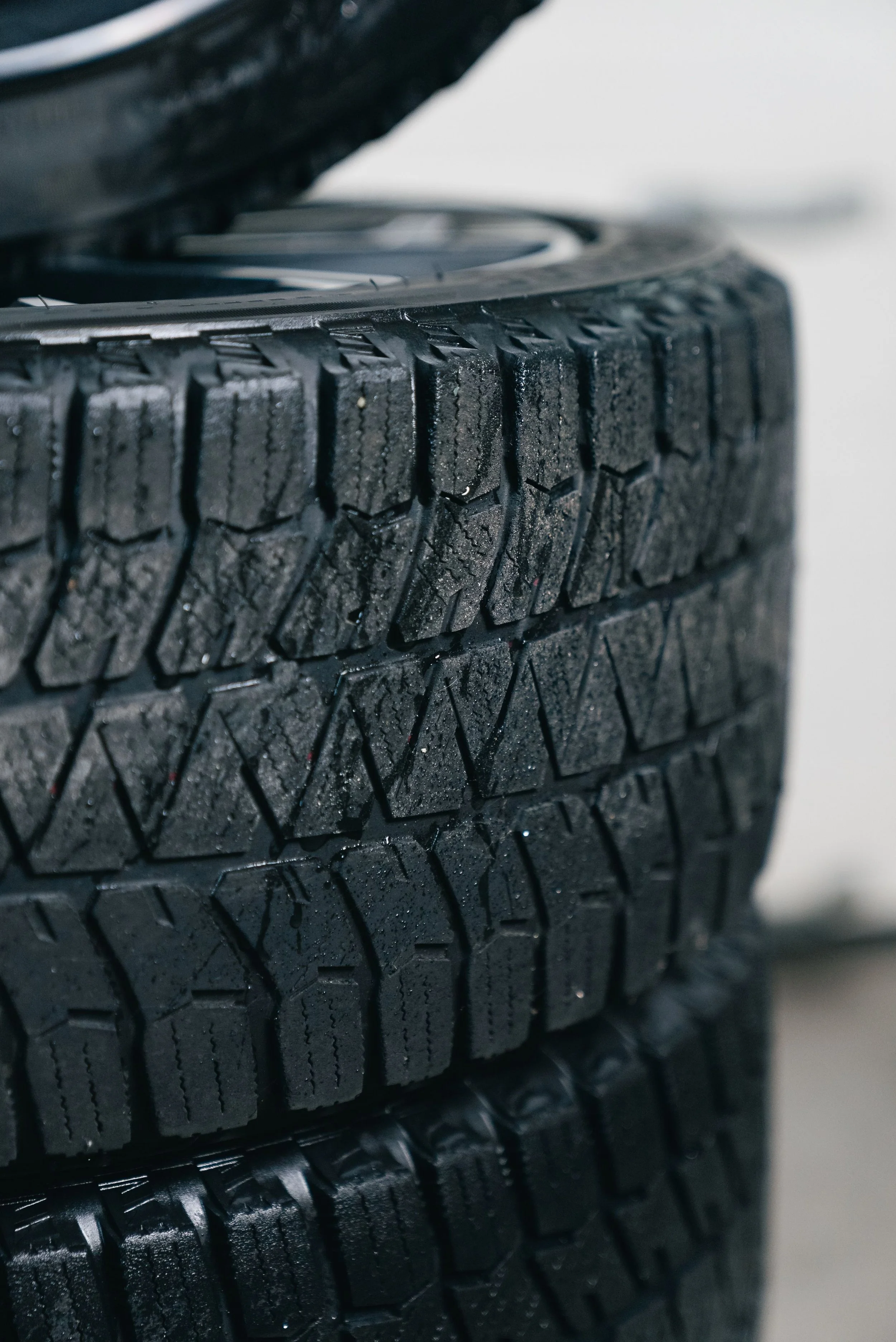
Environmental sustainability is a key part of Retech Rubber's operations. We promote the reuse of recycled rubber products, diverting waste tyres from landfill and transforming them into durable safety surfacing. This supports sustainable construction practices while delivering long-lasting, low-maintenance recreational infrastructure.
Environmental sustainability

Recycled Content and Circular Economy
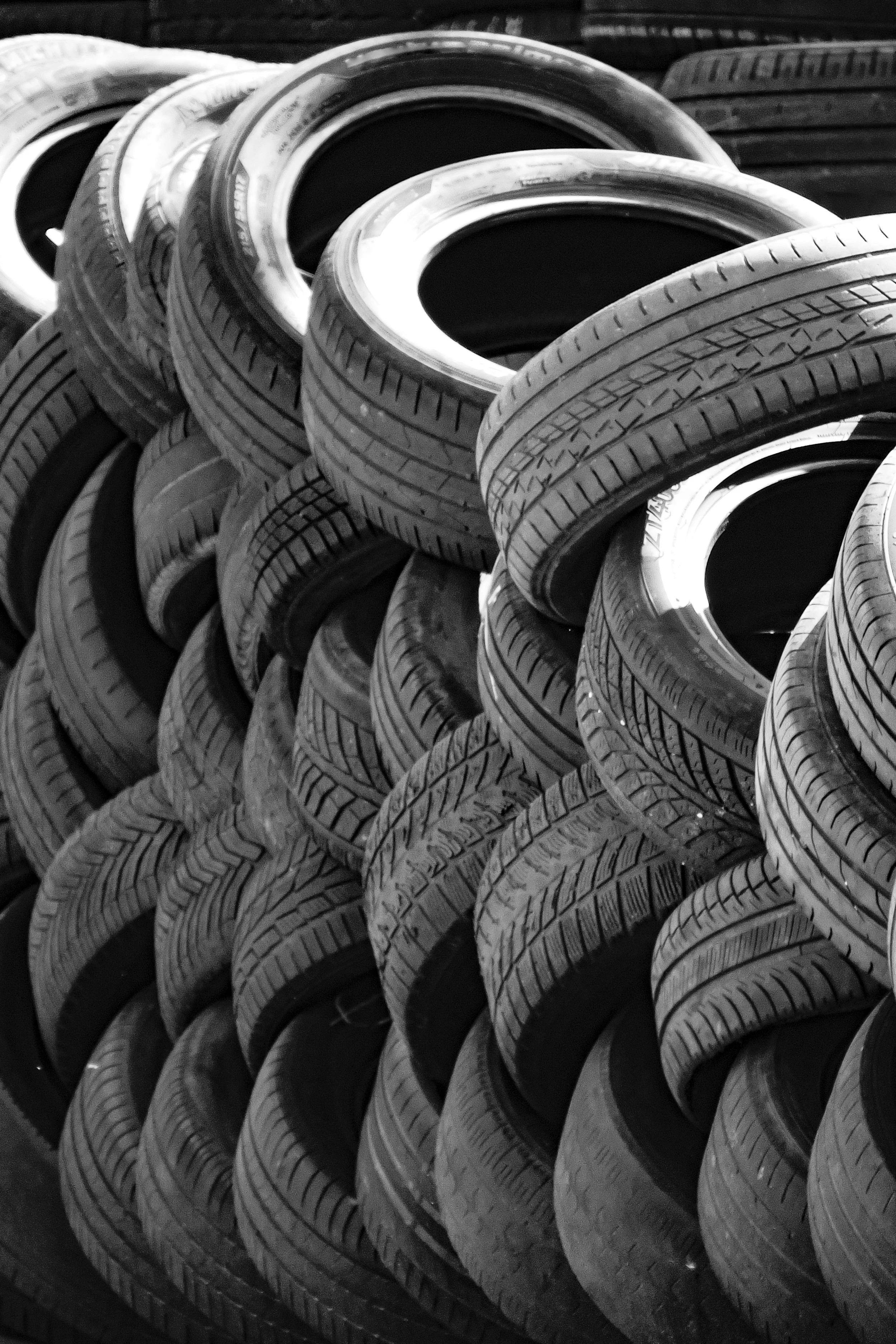
Tyre-to-surface transformation: Most soft-fall rubber products are made from recycled tyres—shredded, cleaned, and processed into granules, then formed into tiles or poured-in-place surfaces—keeping tires out of landfill and creating durable materials. Approx 60% to 70% is a recycled product.
We collaborate directly with tire recyclers to maintain quality and supply, advancing circular economy goal.
Diverting waste at scale: Initiatives like the Recycled Rubber Coalition’s Better Play Initiative help repurpose hundreds of millions of tires annually into playground surfaces, promoting sustainable infrastructure.
Environmental Benefits
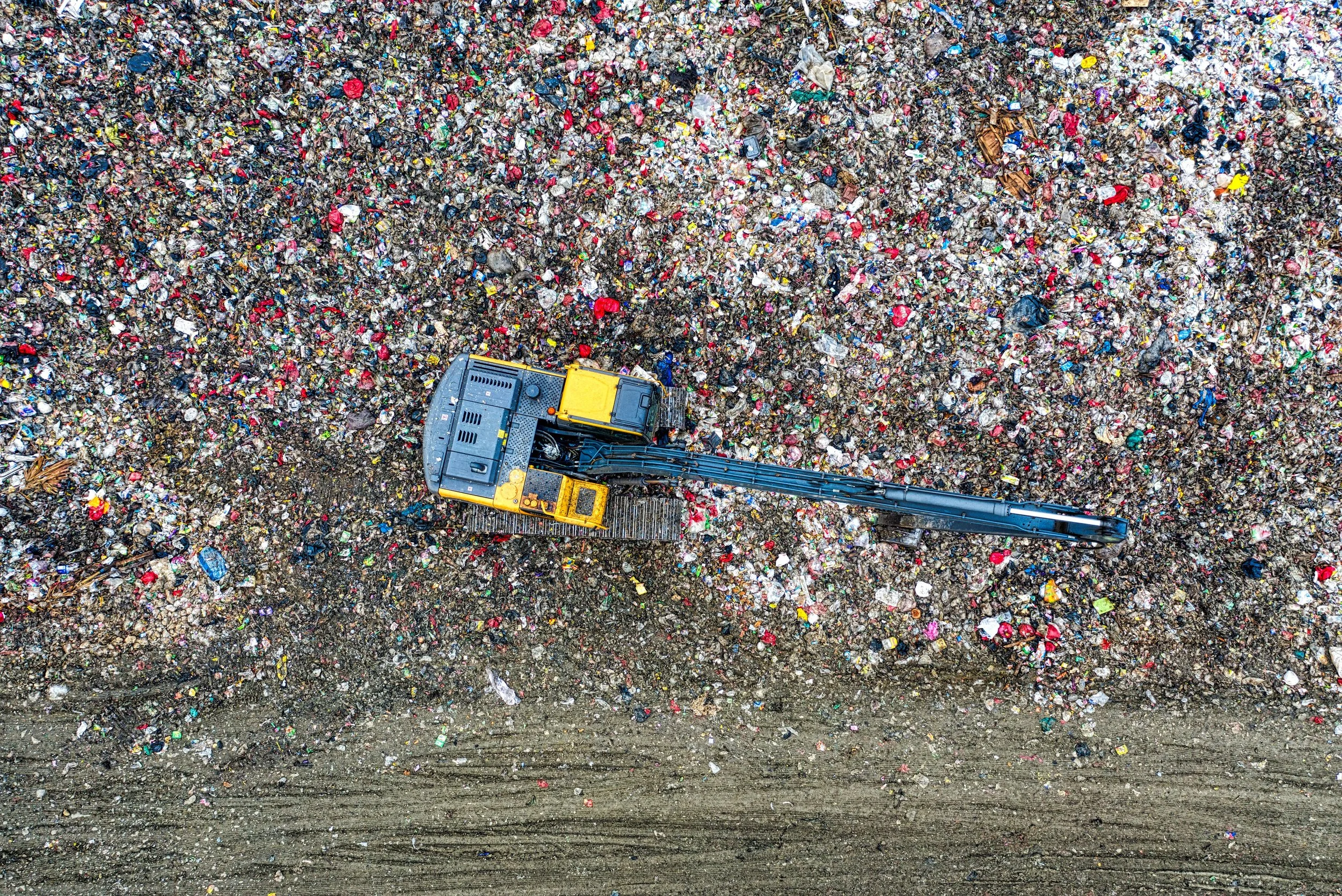
Landfill waste reduction: By recycling tyres into surfacing, the amount of junk ending up in landfills is greatly reduced.
Lower energy use and emissions: Manufacturing recycled rubber consumes less energy and emits fewer greenhouse gases than producing virgin rubber.
Long lifespan & lifecycle efficiency: Recycled rubber surfaces typically last 10–15 years, reducing the need for frequent replacements and associated environmental impact.
Reduces cleaning and topping up of other soft fall options.
Reduced maintenance impacts: These surfaces often require minimal upkeep—less water, chemicals, or replacement materials—offering long-term environmental savings.
Safety and Health Performance
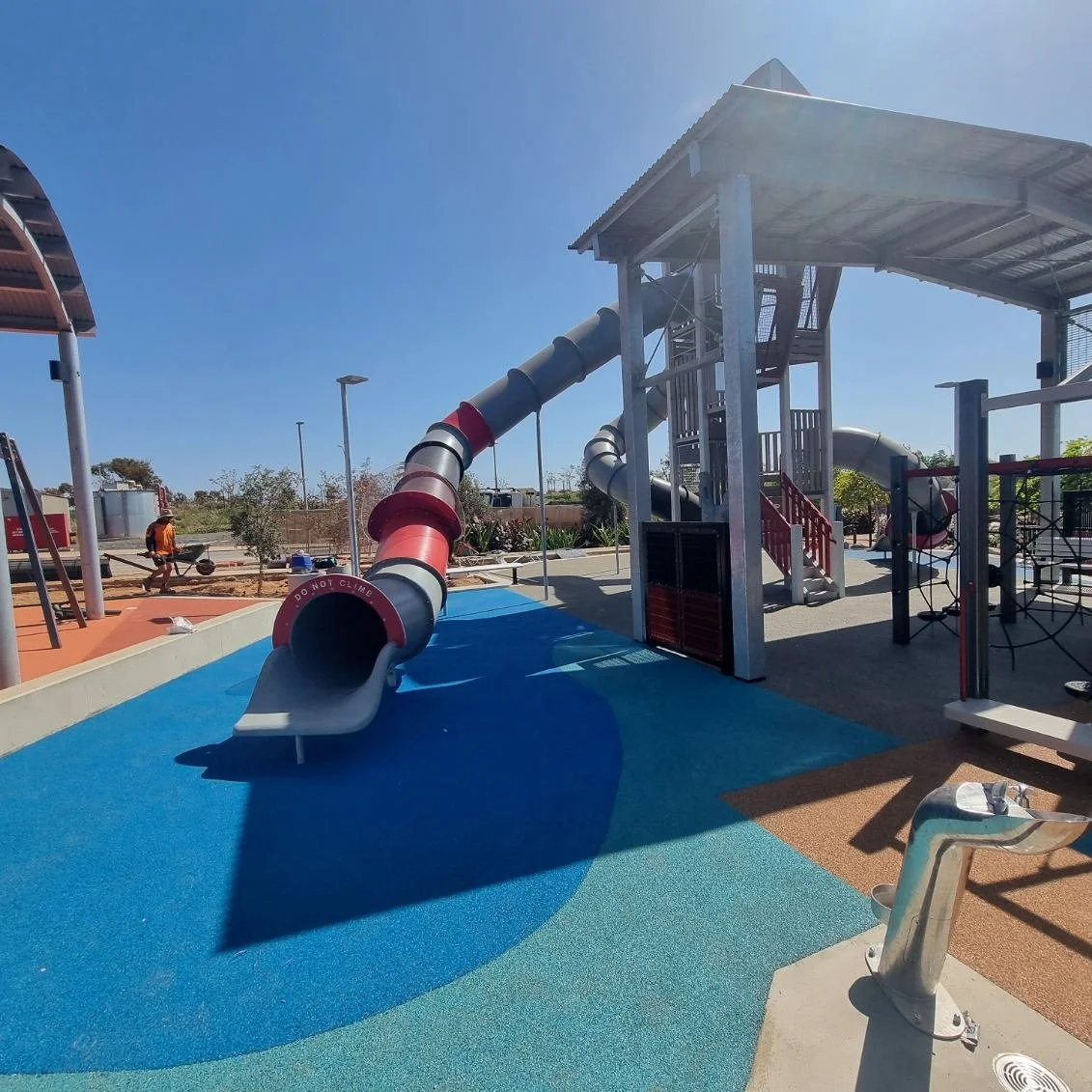
Excellent shock absorption: Soft-fall rubber cushions falls effectively, helping playgrounds meet safety standards like AUS/NZ 4222 1996 and supporting fall heights up to 10m and higher depending on design.
Accessibility and inclusivity: Surfaces like poured-in-place rubber or seamless wet-pour designs offer barrier-free access for wheelchairs and mobility aids.
Environmental and Health.
Retech Rubber uses non-toxic environmental binders to eliminate any environmental and health issues.
Soft-Fall Rubber Sustainability Overview
-
Diverts tires from landfill; supports circular economy; local sourcing
-
Lower emissions, long lifespan, minimal maintenance
-
High shock absorption, accessibility, regulated chemical safety
-
Bio-based binders, ecolabeling, recyclability of components
Final Thoughts
Soft-fall rubber surfaces strike a compelling balance between safety, durability, and environmental responsibility — especially when sourced and designed thoughtfully.
The best practices include:
Ensuring recycled content transparency and certifications
Selecting systems with bio-based or low-VOC binders for healthier alternatives.
Favouring poured-in-place or bonded surfaces over loose mulch to reduce crumb loss and fire risk.
Planning for end-of-life recycling, promoting a truly circular lifecycle.
If you'd like, we can help compare specific products available in Australia or walk you through selecting a surface based on your project’s design, safety, and sustainability priorities.